
By Lesedi Mkhize
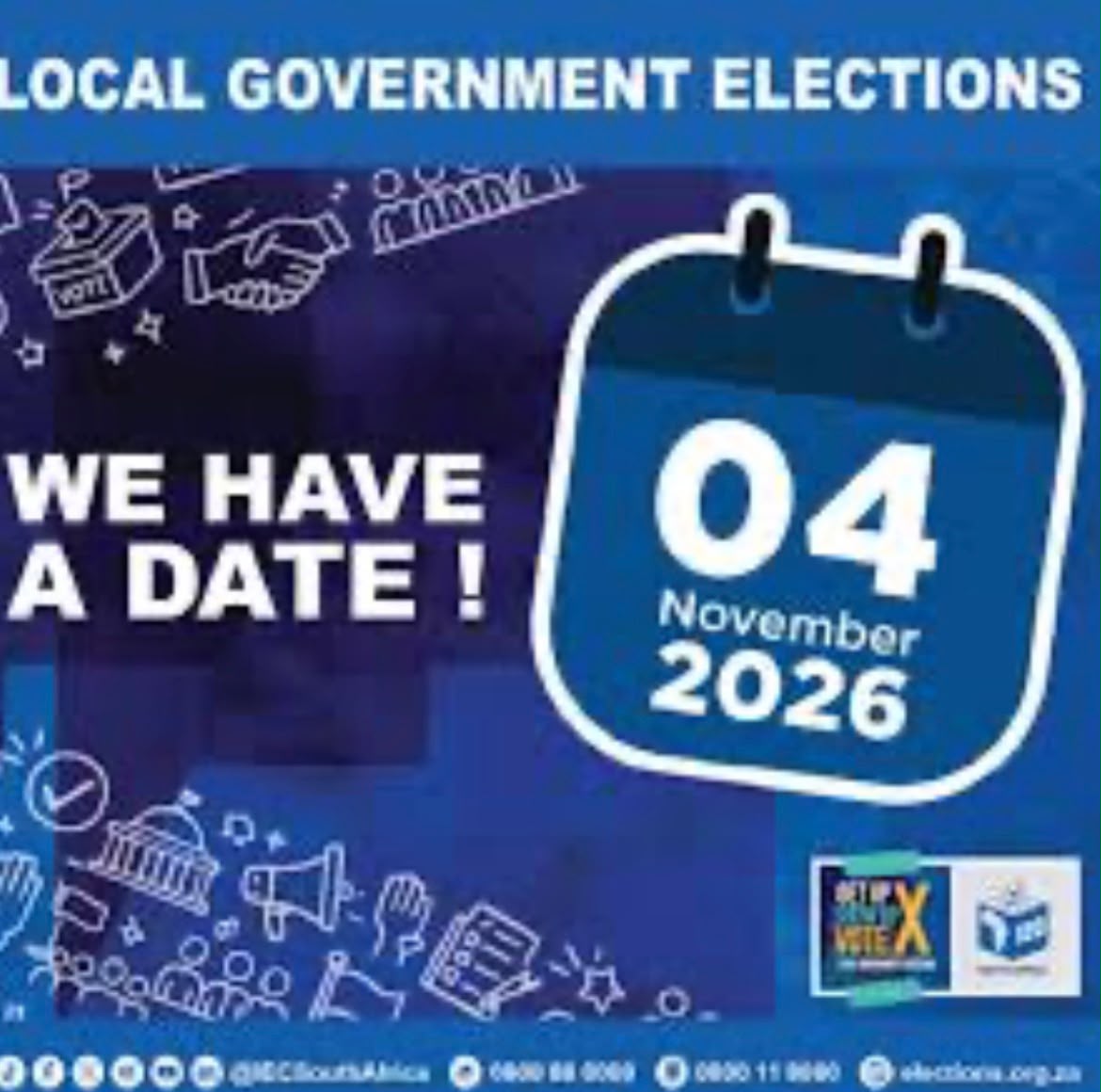
With South Africans set to cast their votes on 4 November, the people of Komati face questions that go beyond the ballot. Who will they vote for, and what do they want to see change in their communities over the next five years?
For many residents, these questions are closely linked to everyday struggles, finding employment, accessing opportunities and building a better future.
For young people in particular, the lack of opportunities has made it difficult to get into the workforce, gain experience or progress in their careers.
Steve Tshwete Local Municipality has identified economic development and job creation as key priorities.
Yet its 2024/25 Integrated Development Plan (IDP) identifies the municipality’s youth unemployment rate as 45.8%.
For Komati, these numbers have a very local meaning.
The closure of Komati Power Station has changed the economic landscape of the community.
The transition away from coal has raised concerns about livelihoods, employment opportunities and the need to create alternative economic opportunities, particularly for young people and other vulnerable groups.
For someone who has struggled to find work, the 4 November ballot could therefore mean more than simply choosing a political party.
It could mean asking whether the next local administration will create an environment that supports local businesses, provides relevant skills and training, and opens up opportunities for young people and vulnerable residents to improve their quality of life.
These are not new concerns in Komati.
Residents have already raised issues around the future of Ward 4, including the need for a training centre that can provide relevant skills, youth development programmes, a community clinic, sports grounds and other services that are important to everyday life.
The question now is whether these issues will feature prominently in the manifestos of political parties contesting the election, and whether residents will hold elected representatives accountable for the promises they make.
What Will Komati Residents Be Voting For?
The Electoral Commission of South Africa (IEC) is continuing preparations for the 4 November Local Government Elections, with the final list of candidates who satisfied the requirements to contest the elections now confirmed.
This week on 16 September 2026, the IEC announced during a briefing that over 136,000 candidates had satisfied the statutory requirements to contest seats in the upcoming elections, while 5,096 candidates had been disqualified following the statutory review process.
This means that the focus now shifts from the administrative preparations for the elections to the candidates who will be asking communities for their votes and, importantly, what they are offering residents.
Special votes: what voters need to know
The IEC also announced that special vote applications are set to open on 21 September and will close on 12 October at 17:00 for eligible voters who are unable to vote at their designated voting stations on election day.
As election preparations gather pace, attention will increasingly turn to the candidates and the promises they make to communities.
For residents of Steve Tshwete, those promises need to speak to the issues they experience in their daily lives.
A graduate who has been unable to find a job after completing their studies may want to know what opportunities will be available to young people.
Someone who has been looking for work for years may want to know whether promises of economic development will translate into actual employment opportunities.
Small business owners may want to know whether they will receive the support and opportunities they need to grow and contribute to the local economy.
And for communities that have been affected by the transition away from coal, there is another important question: what will the future look like once the economic activity that supported generations of families is no longer there?
More Than a Vote
Steve Tshwete Local Municipality’s Integrated Development Plan speaks about building an investment-friendly, innovative and entrepreneurial municipality while continuing to provide basic services.
For communities, these plans will ultimately be measured by what they experience in their daily lives.
The local government elections cannot create jobs or build a training centre overnight.
But local government has a role to play in creating an environment where businesses can grow, services can improve and residents can access opportunities.
This is why, ahead of 4 November, the question for Komati residents may not only be:
Who am I voting for?
It may also be: What am I voting for?
What kind of opportunities do residents want to see created?
What should happen to communities affected by the transition away from coal?
What services does Ward 4 need?
What support should young people and local businesses receive?
And, perhaps most importantly, what should residents expect from the people they elect once the election is over?
Against this backdrop, Steve Tshwete Local Municipality Speaker Zandile Ngubeni has called on residents to turn out in their numbers and make their voices heard on 4 November.
His comments followed the recent Taking Legislature to the People (TLP) programme, a public participation and oversight initiative used by the provincial legislature to bring government closer to the community.
During the virtual programme, residents raised a number of issues affecting the municipality.
– Speaker of Steve Tshwete Local Municipality
Zandile Ngubeni
“I want to thank the residents of the Steve Tshwete Municipality who participated in the Taking Legislature to the People for raising the issues that are happening in the community”
“I also want to encourage residents to exercise their wholesome constitutional rights by voting on 4 November.”
For residents across Steve Tshwete, making their voices heard does not necessarily end when the ballot is cast.
The election also provides an opportunity for residents to pay attention to what candidates are promising.
To ask questions about how those promises will be implemented and to make sure those they elect deliver on their promises.
As the November polls draw closer, Komati residents therefore have more than a vote to consider.
They have questions about the kind of community they want to live in, and what they expect the next five years to look like.