


By Tumi Makgobotloane
With just eight days to go before South Africans head to the polls on 4 November, political campaigning is gathering pace as parties make their final push to win voter support.
In Komati and the wider Steve Tshwete Municipality, political parties are increasing their presence on the ground and making their final appeal to voters. But as election day draws closer, attention is turning to the commitments they are putting before residents and whether their plans speak to the issues communities face every day.
What is at stake for Komati?
For residents, key concerns include unemployment, water supply, ongoing electricity outages and limited opportunities for young people. With all these issues top of mind, the community is also navigating the transition away from coal, making local economic development and the creation of alternative job opportunities important issues in the election conversation.
These concerns form part of the wider debate about what local government should deliver and how political parties intend to improve living conditions in the communities they hope to govern.
Meanwhile, political parties are taking their campaigns to different parts of the country as they seek to mobilise voters. The DA held its final election rally in eThekwini, KwaZulu-Natal, while EFF leader Julius Malema campaigned across Gauteng, including Emfuleni, Ekurhuleni and Tshwane. Major metropolitan areas remain important battlegrounds as parties compete for voter support.
However, winning votes is not only about campaign visibility and promises made at rallies. Voter participation and public confidence in political parties are also important considerations as election day approaches.
The challenge of voter apathy
Voter apathy has been a concern in previous local government elections, with some registered voters choosing not to participate because they feel disillusioned with political parties or doubt whether their votes will bring meaningful change.
A report published by Briefly News during the 2021 local government election period highlighted declining support for the ANC and voter apathy as issues in that election cycle. Research by Ipsos at the time also explored voters’ attitudes towards political parties and participation in elections. These findings relate to the 2021 elections and should not be taken as a measure of current voter sentiment.
As political parties make their final push, the challenge is not only to win over those who are undecided, but also to encourage disengaged voters to participate in the democratic process.
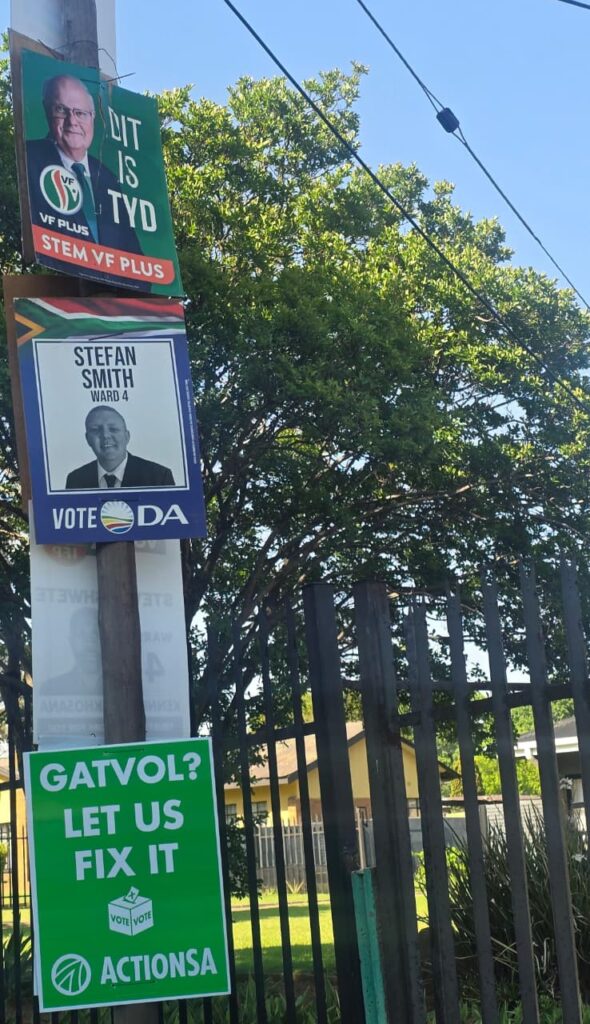
Service delivery could influence voter confidence
Political analysts say voters are increasingly looking at what parties can deliver, rather than relying on historical party loyalty alone.
Speaking on talk radio 702, Professor Ntsikelelo Breakfast argued that voters are judging political parties on their ability to deliver basic services, including water, electricity and roads. With these issues among the concerns facing communities such as Komati, the question is whether campaign promises will translate into concrete plans once the election period is over.
Professor Breakfast also noted that political parties heading into the November polls may find that history and party loyalty are no longer enough to win over voters.
“If you don’t have a track record of getting the job done, unfortunately, you don’t stand a chance, in my view, of getting votes now,”
-Political analyst, prof. Ntsikelelo breakfast
He added that voters are increasingly influenced by whether politicians can deliver basic services and keep their promises.
Will parties convince more voters to participate?
Political analyst Melanie Verwoerd has also highlighted declining voter turnout, particularly among younger voters as a concern ahead of the elections. She says political parties have increasingly tried to reach younger voters through social media and by focusing on youth-related issues. However, the challenge remains translating these efforts into meaningful participation at the polls.
According the Verwoerd, the issue is not only about getting voters to the ballot box, but also about whether political parties can give disengaged voters a reason to participate. As the campaign enters its final days, parties face the task of mobilising their supporters while convincing undecided voters that their participation matters.
What happens after the votes are counted?
For Komati, the impact of local government is felt in everyday life, from the reliability of basic services to the availability of local opportunities. Ongoing electricity interruptions remain a concern for households and businesses, alongside broader questions about infrastructure, healthcare, roads and youth development.
As residents consider their options, attention will turn to what each party is proposing, how its plans respond to local priorities and how elected representatives will be held accountable after the votes have been counted.
ALSO READ:New Colours on the Poles, Old Questions remain – Komati News Flash | Komati News Flash
And for Komati, the election conversation goes beyond campaign promises. It is about what political parties say they will do for the community, how they intend to deliver on those commitments and what residents can expect once the campaigning is over.