

By Tumi Makgobotloane
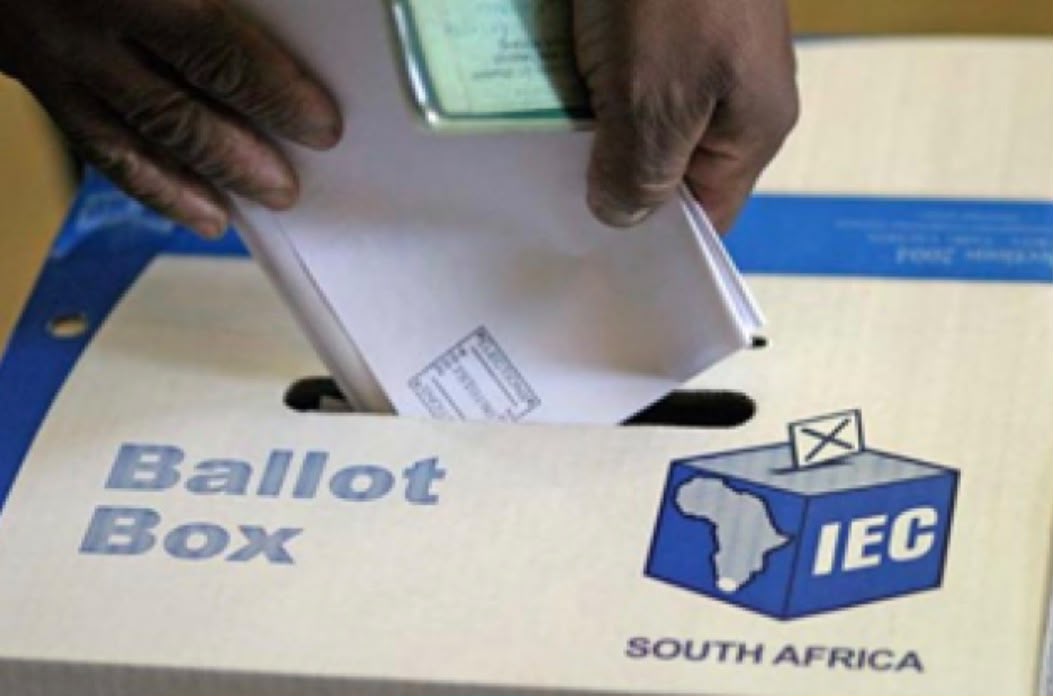
With two days of special voting concluded, attention now turns to tomorrow Wednesday, November 4, when South Africans head to the polls for the 2026 Local Government Elections.
A total of 2,655,067 voters were approved for special voting across the country, with the process catering for registered voters who could not make it to their voting stations on Election Day due to physical infirmity, disability or other qualifying circumstances.
Of these, 678,525 were approved for home visits, while 1,976,542 were approved to cast their ballots at their registered voting stations.
Gauteng recorded the highest overall number of approved special voters at 480,721, followed by the Eastern Cape with 401,971 and KwaZulu-Natal with 348,971.
Understanding the ballots
As voters prepare to cast their ballots, the Electoral Commission of South Africa (IEC) is reminding the public that local government elections differ from national and provincial elections.
Unlike national elections, where voters receive two ballot papers, local government elections require voters to make two or three separate choices, depending on their municipality.
IEC Chief Electoral Officer Sy Mamabolo says voters in local municipalities will receive three ballot papers, each serving a different purpose.
“The first ballot will be a white ballot paper for the candidate representing the ward on the municipal council. These candidates may either be a political party candidate or an independent candidate,” Mamabolo explains.

The second ballot, which is green, is the local proportional representation (PR) ballot. Voters use it to choose the political party they want represented in the local council.
The third ballot is yellow and is the district PR ballot, used to choose political parties that will represent voters on the district council.
Mamabolo says voters should understand what each ballot represents before making their mark.
What does this mean for Komati?
For residents of Komati, Blinkpan, Koornfontein and surrounding communities, Wednesday’s elections come at a time when concerns around unemployment, water supply, electricity outages, infrastructure and opportunities for young people remain high on the local agenda.
The future of communities affected by the transition away from coal is also an important consideration, with residents looking to local leadership for answers on economic development and employment opportunities.
Local government elections give residents an opportunity to choose who represents them in municipal councils and hold elected leaders accountable for their promises and delivery of basic services.
As voting stations prepare to open tomorrow, residents are encouraged to familiarise themselves with the ballot papers, make informed choices and exercise their democratic right.
Your vote is your voice. Make it count.