

By Wendy Neliswa Sibiya
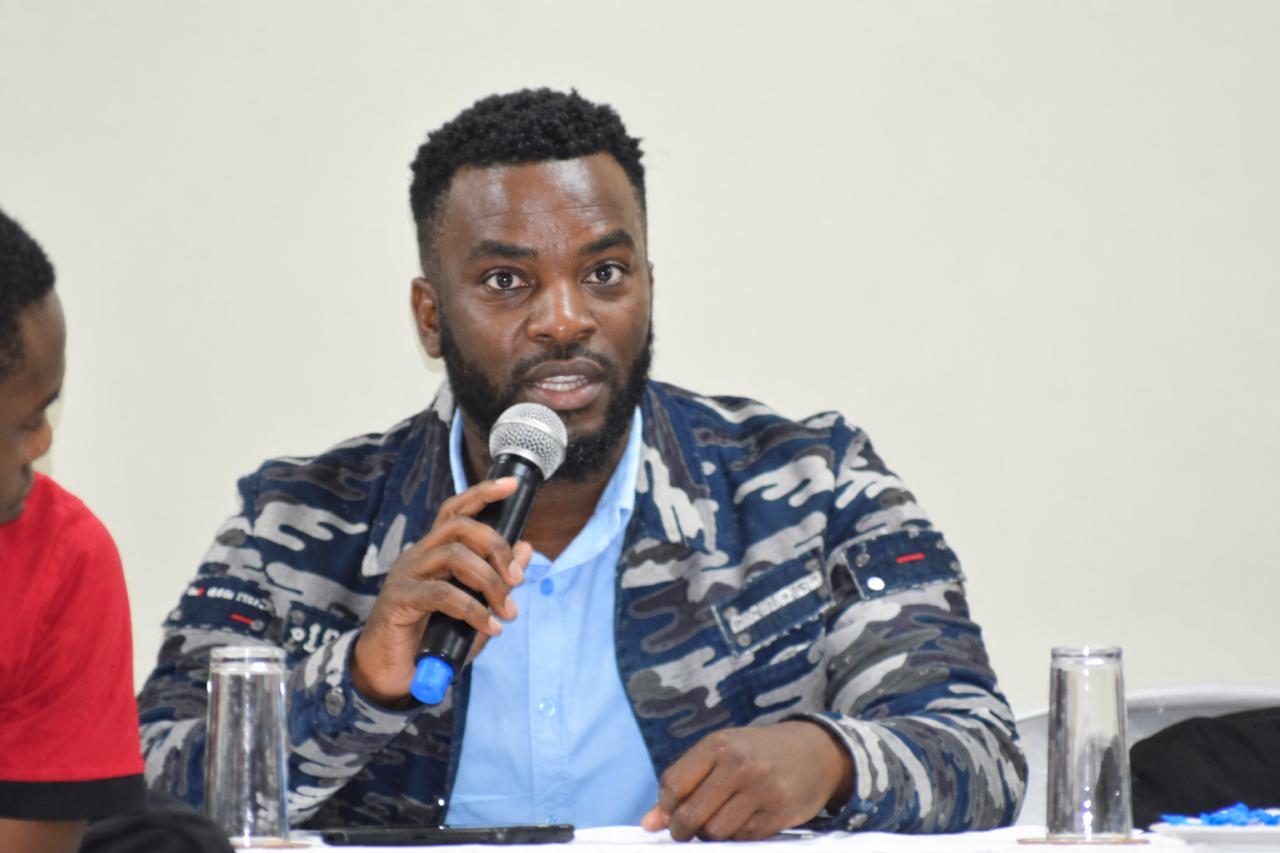
KOMATI — For Carlos Vilankulu, leadership in Ward 4 did not begin with a council seat.
Before entering local government, he spent five years involved in Local Economic Development (LED), serving in Ward Committee structures and LED steering committees. His involvement in these structures gave him an opportunity to engage with issues affecting the community, particularly local economic development and the need for greater opportunities for residents.
Now, his journey has taken him into local government, marking another chapter in a leadership journey shaped by community involvement and a belief that public service should be about people rather than positions.
Leading with Ubuntu and Integrity
Vilankulu is a familiar face in the communities he will now represent.
Beyond his involvement in community structures, he is a social entrepreneur, community leader and youth advocate from Ward 4 in the Steve Tshwete Local Municipality.
His leadership philosophy is rooted in Ubuntu, integrity and wisdom, and in a belief that meaningful change begins with understanding the struggles of ordinary people.
That belief also led him to establish the NIA Community Foundation in 2023, an organisation built on a vision of empowering communities, strengthening service delivery and connecting local voices to national and global platforms.
Through the foundation, he has been involved in initiatives focused on water access, support for elderly people, educational assistance, youth empowerment and humanitarian relief.
For Vilankulu, leadership has never been about waiting for recognition or occupying a position of authority.
It is about identifying challenges, taking initiative and making a practical difference wherever possible.
-incoming ward 4 councillor, Carlos vilankulu
“Change my life so I can change other people’s lives”
He says, describing the personal philosophy that has guided him.
In his first interview with Komati News Flash since his election, Vilankulu spoke about the challenges he has witnessed in the communities around Komati Power Station — in the villages, on the farms and in settlements where work is scarce and opportunities remain limited.
His decision to contest the ward councillor position, he said, was shaped by what he has seen over the years: farm dwellers trying to make a living, young people with qualifications but no employment opportunities, elderly residents who feel forgotten and vulnerable families struggling with poverty.
“My inspiration to become a councillor comes from my personal understanding of the challenges facing our people and my belief that leadership is about serving others, not holding a position or a title,”

“I realised that our community needs leadership that listens, understands people’s struggles and turns those concerns into practical action. I believe that if we want to change people’s lives, we must first be willing to understand their circumstances,” he says.
That experience of working within community structures will now inform his approach to the first 90 days in office.
Rebuilding Trust Between the Councillor’s Office and Residents
Before focusing on major projects, he wants to rebuild the relationship between the councillor’s office and residents, ensuring that people in every corner of Ward 4, from the farms to the villages and settlements, have a platform where their concerns can be heard and taken seriously.
From there, his attention will turn to the issues residents raise almost every day: water, sanitation, roads, electricity and other basic services that determine whether families can live with dignity.
He plans to engage the Steve Tshwete Local Municipality and other relevant stakeholders to push for urgent action on water shortages and service delivery challenges that have left many residents feeling overlooked.
But Vilankulu believes service delivery alone is not enough.
For Ward 4 to move forward, its’ young people must also be given opportunities to work, learn and build a future within their own communities.
He described youth unemployment as the most critical challenge facing the ward.
Ward 4, he noted, is surrounded by economic activity, including mining operations and the legacy of Komati Power Station, yet many residents continue to struggle to access employment.
“We have young people with qualifications who cannot find work because they lack experience or industry-specific skills,”
“Others do not have matric certificates or the necessary technical training to enter the job market. We also have small businesses that struggle to access opportunities within the local economy.”
Connecting Residents to Skills, Training and Employment Opportunities
His plan is to connect Ward 4 residents to the opportunities around them.
This includes strengthening engagement with mines, Eskom, the Mining Qualifications Authority (MQA) and other institutions to help young people access accredited training, learnerships, internships and employment.
He also wants to advocate for training that can lead to actual employment in sectors such as mining, engineering, construction and yellow-machine operation.
Other priorities include promoting transparent employment processes, supporting local SMMEs, cooperatives and emerging entrepreneurs, and ensuring that qualified residents have fair access to opportunities.
For Vilankulu, community development is part of the same picture.
He wants to identify opportunities for sports facilities and community projects that give young people somewhere to belong, develop their abilities and see possibilities beyond their immediate circumstances.
His interest in entrepreneurship also extends beyond politics.
He is associated with Mamboni Commodities, a business venture connected to the production of environmentally conscious fly-ash bricks.
Through this work, he supports the idea that entrepreneurship can contribute to job creation, local economic development and more sustainable construction practices.
It reflects his broader belief that communities should not depend solely on employment created by external institutions, but should also be supported to establish businesses, develop practical solutions and participate in economic value chains.
That same belief informs his involvement in one of the biggest conversations facing Komati — South Africa’s Just Energy Transition.
With the decommissioning of Komati Power Station in October 2022 raising difficult questions about jobs, livelihoods, skills and the future of surrounding communities, Vilankulu has participated in discussions and initiatives calling for a transition that is inclusive, fair and people-centred.
He believes communities affected by the closure of coal and energy facilities must not be left behind while new economic opportunities are developed.
Their voices, he maintains, must form part of decisions that will shape their future.
Underpinning all these priorities is his belief that economic development and basic services cannot be separated.
“We must address basic service delivery because economic development cannot happen effectively where people still struggle with water, sanitation, roads and other essential services,”
And his message to Ward 4 is that living alongside economic opportunities should not mean being excluded from them.
“Our people should not only live next to economic opportunities; they should also have a fair opportunity to participate in and benefit from those opportunities,”
It is still early days, and the first 90 days in office will be an important test of whether his promises to listen and engage can translate into action.
But Vilankulu’s journey into council comes with five years of involvement in Local Economic Development, experience in community structures and a history of community initiatives.
He now has the opportunity to build on that foundation in a new capacity.
For him, the measure of leadership will not be the position he holds, but the difference he makes in the lives of the people he represents.
“A kind heart does not wait for a position before doing good”
“When you understand where you come from and feel the pain of others, you begin to understand what true leadership means,” he says.
For him, leadership is ultimately about remaining connected to the people, understanding their challenges and using that understanding to make a meaningful difference in their lives.