


By Samkelisiwe Mhlanga
As South Africa commemorates Youth Month, the words and sacrifices of the youth of 1976 continue to echo through generations.
While the youth of 1976 fought for access to quality education and freedom, today’s generation continues to fight for opportunities, economic inclusion and the chance to fully realise their potential.
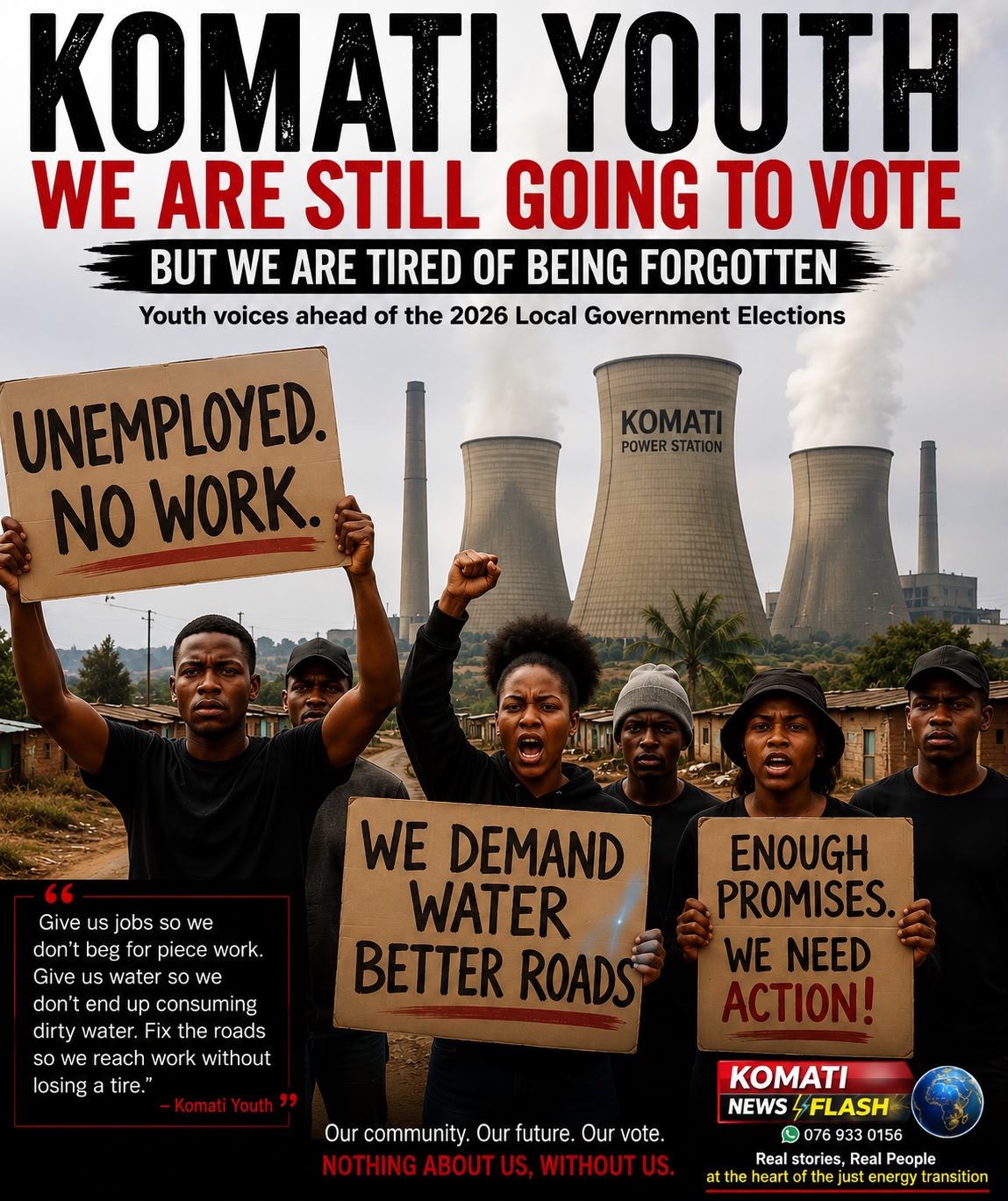
These realities were brought into sharp focus this week as young people from Komati Village shared their views on voting, unemployment and service delivery ahead of the 2026 Local Government Elections later this year.
Their voices come at a time when the Independent Electoral Commission (IEC) last week officially launched its election campaign, and renewed its efforts to encourage greater voter participation, particularly among young people.
Speaking at the launch, former IEC Chairperson Glen Mashinini emphasised the importance of local government elections in South Africa’s constitutional democracy.
“Local government elections occupy a unique and deep place in our constitutional democracy,” said Mashinini.
He added that local government elections bring governance closer to communities and should never be viewed as secondary elections.
“Local government elections are not, as sometimes implied, secondary elections. They are important to our democratic order. We do this with a full understanding that democracy depends on all of us to bring meaning and essence,” he said.
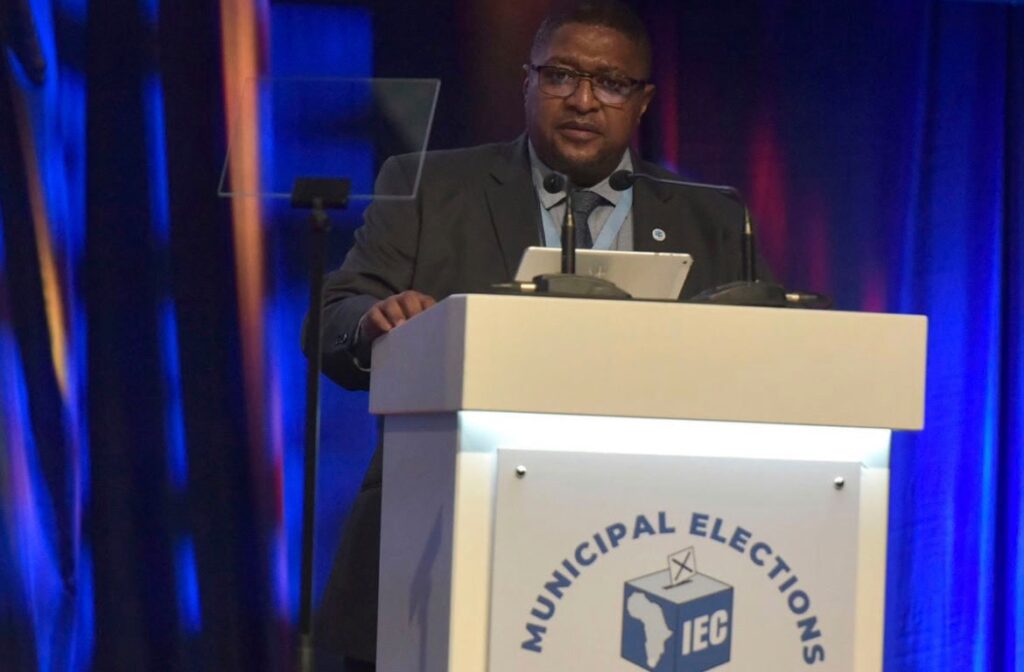
With the election campaign expected to intensify in the coming months, the IEC has stressed that it will be working harder to ensure that more South Africans participate in this year’s elections.
However, interviews conducted by Komati News Flash this week suggest that while many young people remain committed to voting, their faith in political leaders is wearing thin.
Residents between the ages of 19 and 30 described daily struggles that include unemployment, unreliable water supply and deteriorating roads. Some spoke of relying on temporary ‘piece jobs’ that often end without notice, while others said damaged roads and poor infrastructure continue to affect their daily lives.
One resident said voting often feels pointless, but she will still cast her ballot.
“Jobs are scarce. We go for days without water. The roads are damaging our cars and our backs. Sometimes it feels like nothing changes, but I will still vote,” she said.
Another resident summed up her feelings in just a few words.
“Voting is worrying, sisi.”
Yet despite their frustration, the young people we spoke to remain committed to casting their vote.
“We are still going to vote,” said a 24-year-old resident. “Even though we don’t see change. We are tired of talking about unemployment. We are tired of being called ‘the youth with no jobs’. This time we are voting for another party. Not because we trust them 100%, but because we must try something different. If we keep doing the same thing, we will keep getting the same potholes.”
A recurring theme throughout the interviews was disappointment with political parties.
“Posters go up, t-shirts come out, promises are made. Then they disappear until five years later,” one resident said.
Several interviewees said Komati Village only becomes a priority when votes are needed. Once elections are over, they claim that complaints about water shortages, water trucks and road maintenance often go unanswered despite being raised in community meetings and local WhatsApp groups.
When asked what they would say if given one minute with their ward councillor, the response from all five interviewees was almost identical: jobs, water and roads.
“Give us jobs so we don’t have to beg for piece work. Give us water so we don’t end up consuming dirty water. Fix the roads so we can get to work without losing a tyre,” one resident said.
While their frustrations were evident, the young people insisted that they are not disengaged from democracy. Rather, they want leaders who listen, respond and remain present long after election campaigns have ended.
Their message was simple: they are not lazy, but they refuse to be quiet.
As South Africa marks Youth Month and prepares for another local government election, the voices of Komati’s youth serve as a reminder that participation in democracy goes beyond casting a ballot. It also requires leaders who are willing to hear the concerns of the communities they serve and act on them.
The interviews were conducted anonymously to protect the identities of participants.