
By Lesedi Mkhize
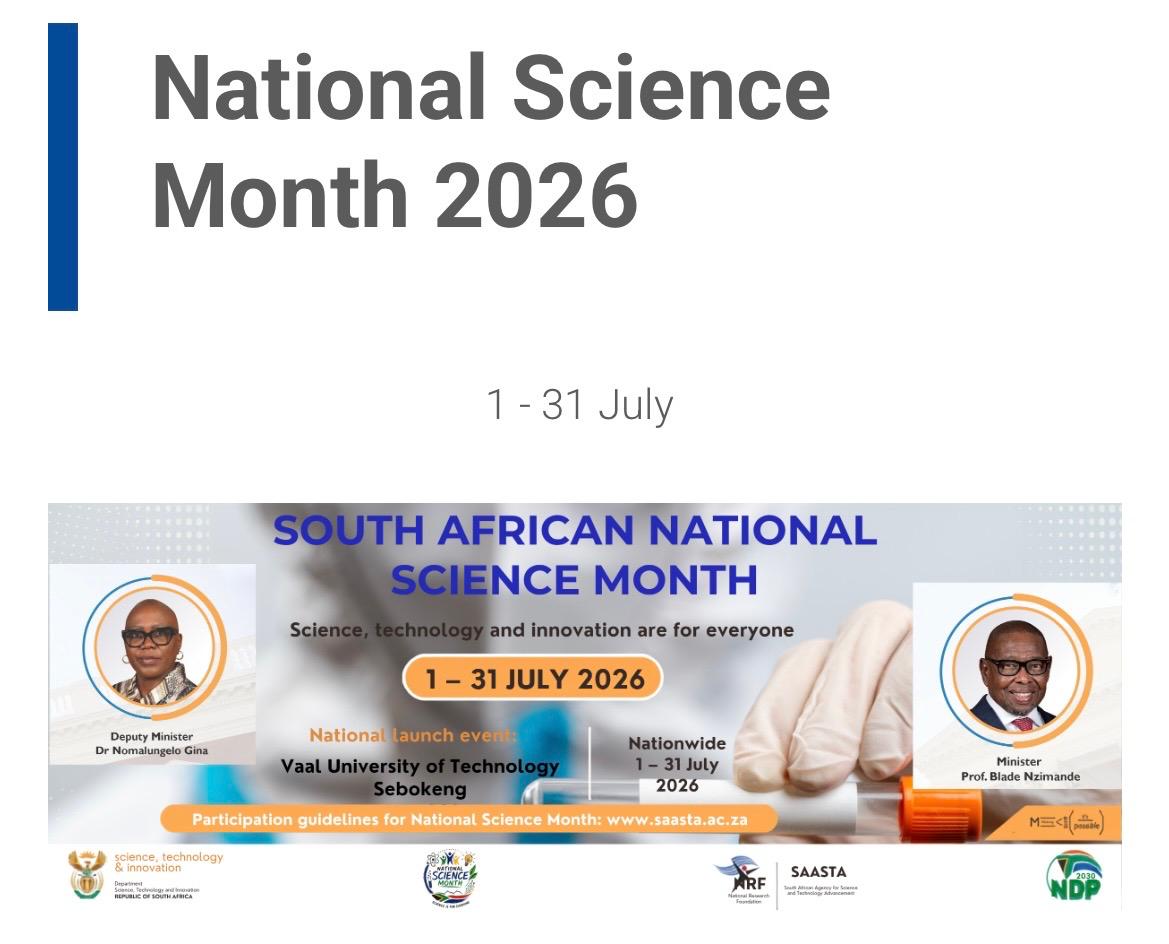
July marks National Science Month, a nationwide celebration aimed at building a science-literate society that can form informed and independent opinions on science, technology and innovation.
Launched under the theme “Science and Technology are for Everyone,” the month-long campaign encourages greater public participation in scientific discussions while promoting an appreciation of the role science plays in everyday life.
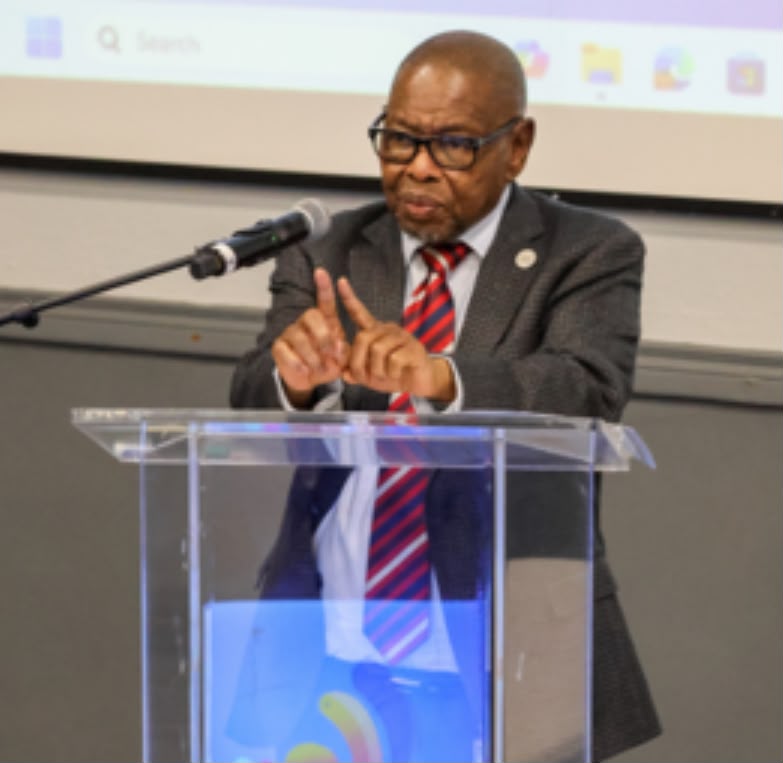
Speaking at the inaugural Science, Technology and Innovation Public Lecture, held earlier this month at the Emperors Palace Convention Centre in Johannesburg, the Minister of Science, Technology and Innovation, Dr Blade Nzimande, emphasised the importance of making science accessible to all South Africans.
The initiative seeks to promote public confidence in science, scientists and scientific institutions.
Dr Blade Nzimande
“South Africa needs a science-centred public-private partnership model that combines public oversight and academic excellence with private-sector investment, commercialisation expertise and agility.”
Government says the flagship programme aims to cultivate a society that is scientifically literate, aware of developments in science, technology and innovation, and able to engage critically with scientific issues that shape the country’s future.
Strong foundation, limited funding
During the lecture, Dr Nzimande said South Africa’s science, technology and innovation sector is backed by strong support from government, universities, science councils and public institutions.
However, he said government funding alone is not enough to support scientific research and ensure its long-term growth.
He added that relying only on private-sector research, which is often focused on making a profit, may not address South Africa’s development needs or serve the public interest.
Bridging the gap through collaboration
The minister said stronger partnerships between government, universities and the private sector are needed to turn research into real-world solutions.
He said these partnerships would allow government and universities to continue producing quality research, while private companies provide funding, business expertise and help bring new technologies to the market.
Supporting the Decadal Plan
The Minister explained that many discoveries made by universities and science councils never move beyond the research stage because there is not enough investment in early-stage innovation.
He said working together would help close this gap and ensure scientific research leads to practical solutions that improve people’s lives.
Dr Blade Nzimande
“Private companies are often reluctant to invest in early-stage, high-risk scientific research because of commercial pressures and shareholder expectations.”
The Minister said the proposal supports the Decadal Plan for Science, Technology and Innovation (2022–2032), which is the government’s 10-year strategy to use science and technology to improve people’s lives.
The plan aims to grow the economy, create more jobs, encourage innovation and help solve challenges such as poverty, unemployment and inequality.
He also said the plan focuses on training more scientists and researchers, encouraging more young people to study science, technology, engineering and mathematics (STEM), and expanding programmes such as the Presidential PhD Programme to develop highly skilled graduates.In addition, the Minister said South Africa must continue investing in digital technologies.
He explained that this will help grow the country’s digital economy, create new opportunities for businesses and workers, and ensure South Africa can develop and manage its own digital systems and technologies instead of relying too heavily on other countries.
Building an inclusive innovation system
Minister Nzimande acknowledged that government, universities and private companies all work differently and have different priorities.
However, he said these challenges can be overcome by working together through shared programmes and partnerships that support innovation and help turn research into practical solutions.
As National Science Month continues under the theme “Science and Technology are for Everyone,” Dr Nzimande has encouraged South Africans to embrace science, technology and innovation as tools for economic growth, job creation and solving everyday challenges.
He’s emphasised that stronger partnerships, greater investment, and more inclusive opportunities are essential to ensuring that scientific progress benefits communities across South Africa.