

By Mthokozisi Mthethwa
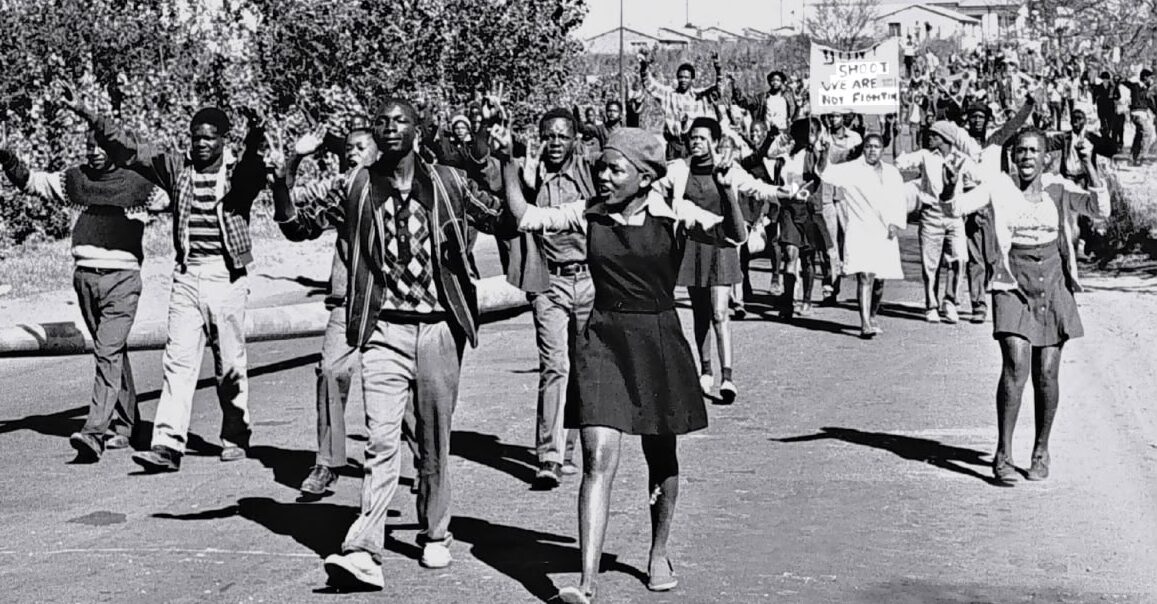
It is an interesting year, particularly for South African youth, as the country commemorates 50 years since the Soweto Uprising of 16 June 1976. June is the month when young people are reminded of this historic event and how the youth of that time fought for a future built on freedom, dignity and opportunity.
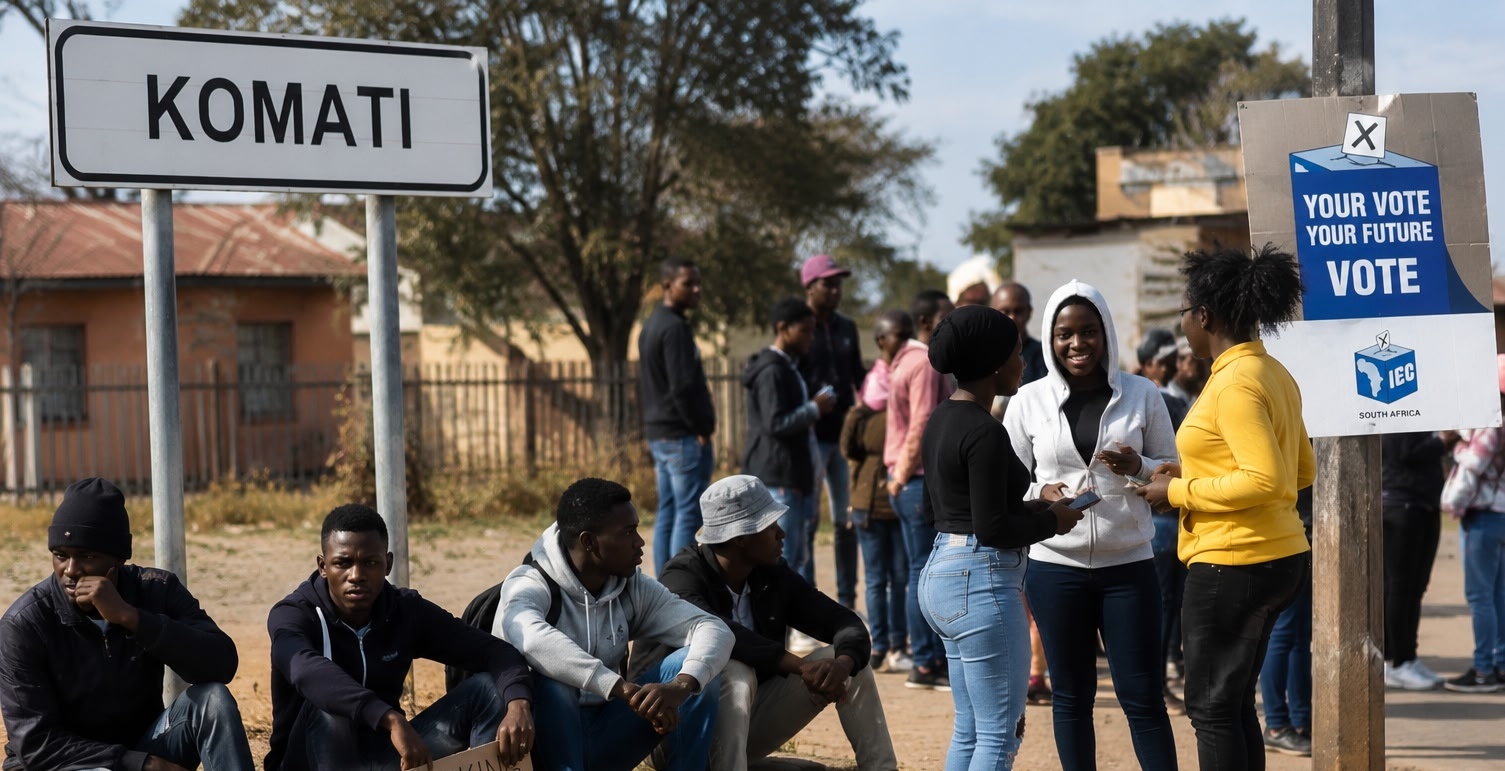
This year also marks the local government elections, set to take place on 4 November 2026. For many residents in Komati, the upcoming elections are not simply about politics. They have become a measure of whether democracy has truly lived up to its promise, particularly for young people, as they reflect on their lived experiences. It raises the question of whether their daily realities reflect a system that is meant to transform their lives. In this sense, Youth Month is not only a reminder of history and the sacrifices of 16 June 1976, but also a lens through which the present is judged, as young people ask whether the freedom fought for has translated into meaningful change in their own communities.
Komati News Flash spoke to young members of the community about what a normal day looks like in their area, as well as their views on the upcoming elections, voting and youth development.
Many young people describe life in Komati as lacking structured activities or facilities that support their development. With no skills centers and poorly developed recreational spaces, many young people say there are limited opportunities for personal development, skills-building and meaningful engagement, often leaving them vulnerable to harmful alternatives such as drug and alcohol abuse.
Siphiwe Masilela, a 23-year-old resident, describes the community as a place where hopelessness has become part of everyday life.
“There’s nothing to do here. No work, no high school, no skills centre, and no clinic,” she says. “We are living in a place where drugs are cheaper than a taxi to Witbank.”
Though Masilela has a job, she still shares the same sentiments as many of her fellow community members.
“A normal day for me is waking up and going to work while I leave other young bloods roaming the streets, addicted to drugs, abusing alcohol and hustling in the wrong ways,” she says.
She adds that the situation has deeply affected the young people she grew up with, many of whom have left school early and fallen into addiction, as hardship and a lack of opportunity continue to shape what has become a difficult reality in the area.

Komati is surrounded by several mining companies which, according to expectations within the mining sector, are meant to contribute to local development, create employment opportunities and invest in surrounding communities through social and labour plans. However, many young people in Komati say they continue to see little change in their daily lives despite living in an area rich in industrial and mining activity.
Komati Power Station, for example, was once one of Eskom’s oldest coal-fired power stations and was central to the local economy for decades. When the plant shut down in 2022 as part of South Africa’s Just Energy Transition programme, communities were promised development, renewable energy projects, skills training and employment opportunities for local youth. But as the power station is currently being repurposed, several young residents say those promises have yet to fully materialise.
Masilela’s views echo the frustrations of many young people in the community, who say unemployment, limited access to education and skills development, and a lack of meaningful opportunities remain part of their daily reality despite years of promises from both government and industry.
The emotional weight of the crisis becomes even clearer when she speaks about her friends. “I’ve watched three friends drop out since Grade 9. They are now drug addicts,” she points out.
But despite the harsh realities, the young woman says giving up is not an option. “What makes it worth it is that if we leave or give up, our younger sisters and brothers will think this is normal life. So we have to keep moving forward.”
She believes many young people no longer need political speeches but practical interventions. “Bring a workshop where we learn plumbing, welding, coding, anything that will put the drug dealers out of business by giving us options,” she pleads.
Since there is no high school in the area, one of the major challenges facing learners in Komati is the long distance they are forced to travel every day to access education, with some schools located more than 30 kilometres away. For many students and educators, this daily journey is physically demanding and emotionally draining, affecting both learning time and performance in class.
Quinton Lolose, a 20-year-old resident currently studying towards a Bachelor of Education degree through UNISA, is doing his practical teaching work at Phumelela Secondary School in Middelburg, about 36 kilometres from Komati. He says the long travel distances and extended hours in transit are taking a toll on learners he travels with daily.
“I travel with children every day on that bus,” he says, explaining that the bus service is not dedicated to one route alone but collects learners from Komati and surrounding farms, which adds to the long travel times. “These learners are often late for school, as the bus serves not only learners from Komati but also picks up learners from the surrounding farms.”
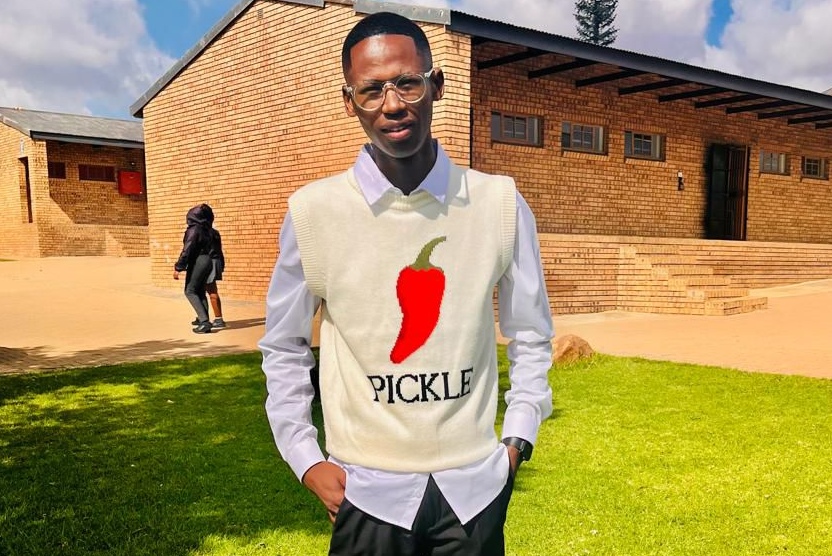
He further notes that there are days when the bus arrives at school long after lessons have already begun, disrupting learning time and affecting concentration in class. He also raises concerns about matric learners who miss out on extra classes due to a lack of transport, particularly for weekend academic support sessions.
Lolose says that while he believes education remains the most important tool for young people to build better futures, he is also concerned about what opportunities will be available after completing his studies.
“I am worried about having to look for work in remote high schools since there is no high school here,” he says, adding that his experience has made him more aware of the daily struggles faced by both learners and educators who travel long distances under difficult conditions.
Another young resident among those who contribute to the conversation is Innocent Ngcobo, 25. He believes it is time for local leadership and industry stakeholders to move beyond slogans and engage in more practical, solution-driven conversations with communities.

Ngcobo feels that young people’s realities are often spoken about in political spaces and community meetings but are rarely translated into meaningful action on the ground. He says that, as a young person, he is only motivated by visible change that can be experienced in daily life, which he believes can only be achieved if discussion is followed by implementation that directly benefits communities.
He also shares his frustration with how often youth concerns are only acknowledged during election periods.
“They only come during elections,” he says. “I would feel heard if they came before the elections, asked us what we need, and then came back to show us what had changed.” Ngcobo suggests that young people still need skills training. “We’re not asking for handouts, we’re asking for opportunities.” He adds.
He speaks about his aspirations of one day becoming a community leader himself, saying “I see myself as a youth leader fixing problems in Komati for the youth since they are not being taken seriously. The one thing I need right now is information about bursaries and training. If I had that, I could start building that future instead of just waiting,” he concludes.
According to Statistics South Africa’s latest Quarterly Labour Force Survey, the country’s unemployment rate stands at a staggering 32.7%, while youth unemployment among people aged 15 to 34 remains alarmingly, high at above 45%. Millions of young South Africans remain without jobs, education or training opportunities. In Komati, these statistics are not abstract numbers. They are visible in the daily lives of young people who feel trapped between unemployment and substance abuse.
Many young people who took part in this conversation remain hopeful about the future of their community and the country. They say they still look forward to commemorating Youth Day on 16 June each year as a moment of reflection and remembrance. However, when it comes to voting, many admit that they struggle with their decision, saying there is little to motivate them to stand in long queues at polling stations and feel confident that their vote will make a meaningful difference.
Watch the full video on our YouTube page to hear Quinton Lolose on education challenges in Komati.